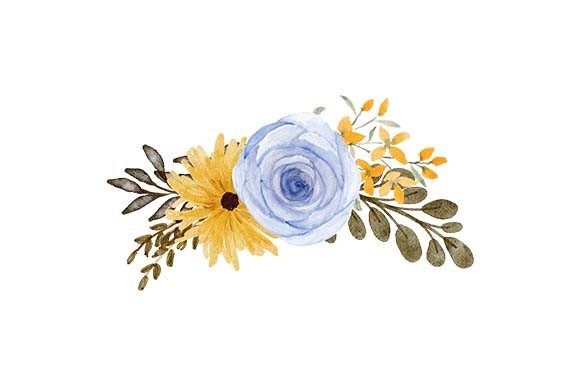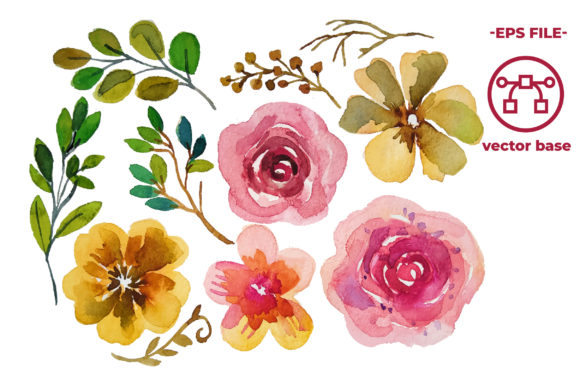
The Art of Classic Floral Watercolor Elements
Imagine capturing the soft, organic charm of a freshly painted floral watercolor—the delicate bleed of petal into stem, the gentle wash of a background hue—and then having that artistic essence available in a perfectly scalable, endlessly editable digital file. That is the core appeal and utility of Floral Watercolor Elements. These are not merely scanned images; they are original watercolor artworks that have been meticulously converted into vector digital form, typically provided as EPS files compatible with software like Adobe Illustrator CS6 and beyond. This process preserves every brushstroke’s nuance while granting the creator absolute control. You get the classic, retro, and original feel of hand-painted art, but with the precision and flexibility of modern digital design.
Why Vector Form Matters for Creators
The conversion from a physical watercolor painting to a vector format is a transformative step. Vector files are built from mathematical paths, not pixels. This means a Floral Watercolor Element can be resized from a tiny blog icon to a massive billboard print without any loss in clarity or quality. Colors can be isolated and changed instantly. Individual floral components—a single rose, a cluster of leaves—can often be separated and rearranged. This bridges two worlds: the warm, imperfect beauty of traditional art and the efficient, adaptable needs of contemporary projects. For anyone who needs authentic artistry but also requires speed, consistency, and scalability, this is a powerful solution.
A Practical Palette of Creative Applications
The applications for these elements are vast, directly tied to the needs of the diverse audience that seeks them. Let’s move from inspiration to concrete project ideas.
For marketers and small business owners, these elements offer a way to instantly elevate brand materials with a touch of elegant originality. Use a single, subtle floral vector as a watermark on product photography. Build a suite of social media post templates where the same floral set provides a consistent, recognizable frame for different content. The retro feel can evoke trustworthiness and craft, perfect for brands in niches like artisan goods, wellness, boutique hospitality, or independent publishing.
Designers and freelancers can treat these vector packs as a foundational artistic resource. Instead of starting from a blank canvas every time, you begin with a beautiful, editable artwork. You might deconstruct a provided floral arrangement to create a custom pattern for textile design. Overlay transparent watercolor elements onto minimalist website layouts to add texture without clutter. For a client wanting a “classic” feel, you can quickly adapt the color palette of the vectors to match their brand guidelines, ensuring the art feels integrated rather than stock.
Bloggers, educators, and publishers find immense value in the illustrative quality of Floral Watercolor Elements. They can be used to create engaging, non-generic graphics for articles, e-book covers, or course materials. A series of floral vectors can become a visual theme for a chapter or a whole blog series, aiding reader recognition. Their gentle aesthetic is particularly effective for topics related to gardening, literature, history, mindfulness, or family, providing a visual tone that is sophisticated yet approachable.
Adapting Style for Audience and Context
A key skill is adapting the same core element to serve different audiences and platforms. The inherent versatility of the vector file makes this possible.
- For a younger, digitally-native audience: You might use the floral elements in a more dynamic way. Extract bold, individual flowers as animated elements in a short video intro, or use them as interactive hover effects on a website. Pair the classic watercolor shapes with modern, bold typography to create a fresh juxtaposition.
- For a formal or corporate context: Subtlety is key. Use a monochromatic version of the floral vector as a delicate border on a report cover or as a faint background texture on a presentation slide. The artistry conveys quality, but the restraint keeps it professional.
- For physical products: The scalability of vectors is crucial here. Use the artwork for everything from small sticker designs to large-scale packaging prints. The watercolor effect, when printed well, adds a tactile, premium feel that digital-only designs often lack.
Remember, the goal is not to use the element in its raw, provided state on every project. It is to use it as a creative starting point. Your adaptation—through color change, composition alteration, or contextual pairing—makes the final work original and audience-specific.
Maintaining Clarity and Effective Design
Working with such detailed artistic elements requires a mindful approach to ensure the final design remains clear and effective.
First, consider hierarchy and space. A busy, beautiful floral vector can overwhelm your message if it’s not balanced. Give it room. Use it as an accent in a clean layout, not as the entire background for dense text. Second, color coordination is essential. The original watercolor palette might be perfect, or it might clash with your project’s needs. Use your software’s tools to harmonize the colors. You might mute the vibrancy for a pastel look or isolate a single accent color from the flower to tie into your headline text.
Finally, strive for consistency across a project. If you are using a set of Floral Watercolor Elements across a website, a brochure, and social media, establish rules. Perhaps you always use the same two floral motifs, or you always apply a 30% transparency to them when used as backgrounds. This disciplined creativity turns a beautiful asset into a coherent and professional design system.
From Hobbyist Projects to Professional Portfolios
For the hobbyist or entrepreneur just exploring design, these vectors are a forgiving and inspiring entry point. They allow you to produce visually compelling work without first mastering the brush or the pen tool. You can create beautiful custom invitations, personal blog headers, or unique gifts. For the seasoned professional, they are a time-saving resource and a source of artistic collaboration—you are effectively integrating another artist’s watercolor work into your vision, expanding your own stylistic range.
The true utility of Floral Watercolor Elements in vector form lies in this dual nature. They honor the timeless appeal of hand-crafted, classic art. They also meet the practical demands of the digital workflow: editable, scalable, and adaptable. By focusing on how you can apply them—by thinking of them as a versatile component in your creative process rather than just a finished image—you unlock their real potential. Whether your next project is a website, a book cover, a product label, or a personal art piece, these elements provide a bridge between the organic inspiration of the past and the precise needs of the present.